Slide 1
previous arrowprevious arrow
next arrownext arrow
Years in Practice
0 +
Happy Patients
0 +
Invasive Cardiac Procedures
0 +
Locations
0

About Dr.

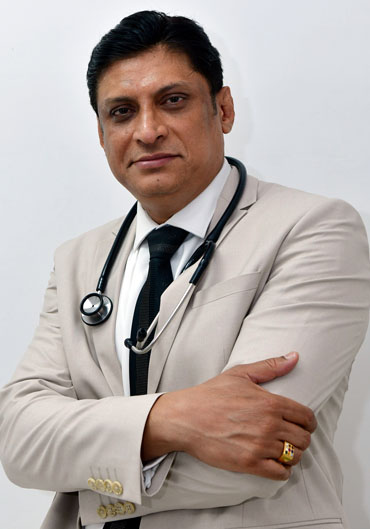
DR. K. S. KISHORE

He is an intervention cardiologist with over 27 years of experience. His field of expertise is adult cardiology, paediatric cardiology and peripheral Vascular interventions. He currently heads the department of cardiology at Sagar hospital, Banashankari, Bangalore. He has earlier worked as consultant cardiologist at Narayana Hrudayalaya, BGS Global hospital and Sri Jayadeva institute of cardiology.

  • Over 27 years of experience in interventional cardiology

  • Expertise in adult cardiology, paediatric cardiology, and peripheral vascular interventions

  • Former Consultant Cardiologist at Sri Jayadeva Institute of Cardiology, Narayana Hrudayalaya and BGS Global Hospital

  • Currently working as Head of the Department, Cardiology at Sagar Hospitals, Banashankari, Bangalore

  • Visiting Consultant at Maharaja Agrasen Hospital, Padmanabha Nagar & Sagar Hospital, Tilak Nagar, Bangalore

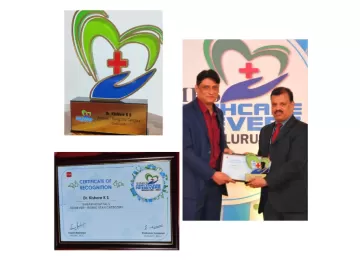
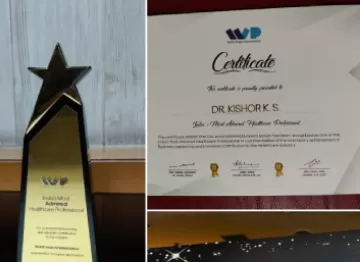
TIMES Health Excellence Awards

An esteemed recognition by The Times Group, celebrating outstanding achievements and contributions in the field of healthcare. This award stands as a testament to our dedication to excellence, innovation, and compassionate care in the health sector.

Know Your Heart

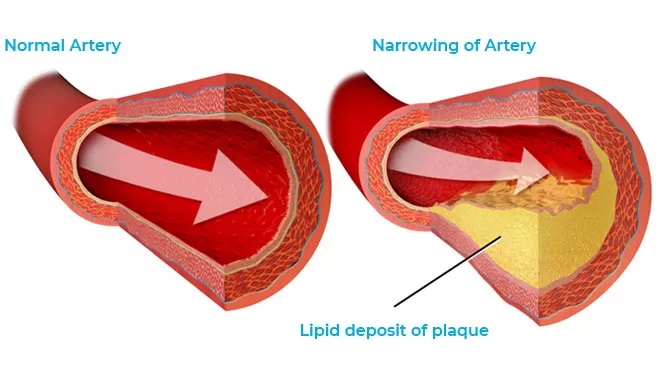
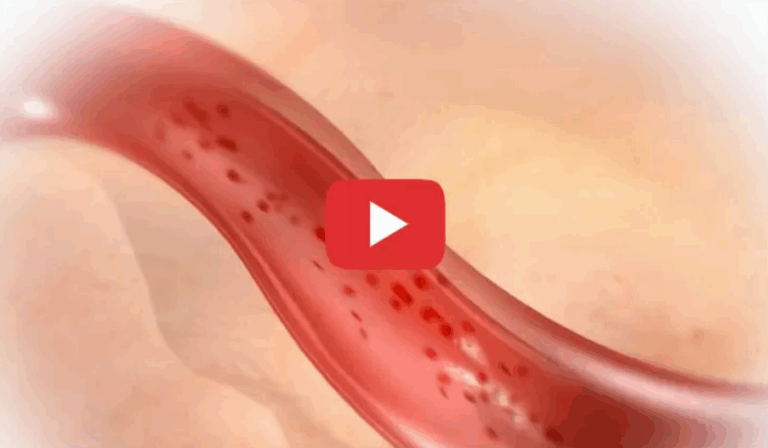
Without an adequate blood supply, the heart becomes starved of oxygen and the vital nutrients it needs to work properly. This can cause chest pain called angina. If blood supply to a portion of the heart muscle is cut off entirely, or if the energy demands of the heart become much greater than its blood supply, a heart attack (injury to the heart muscle) may occur.

Coronary Artery Disease (CAD)

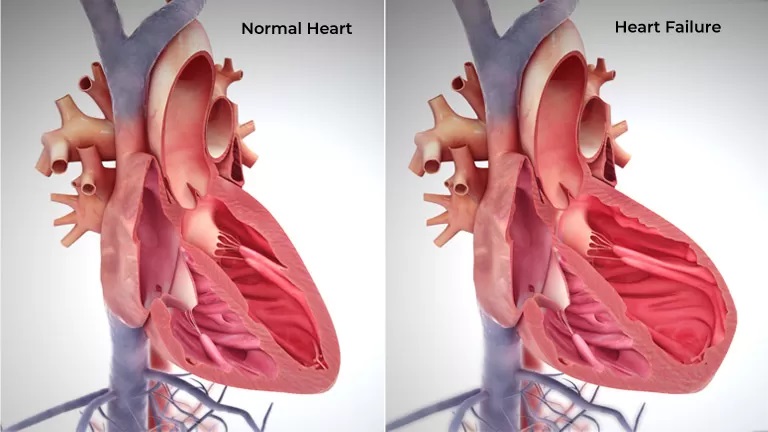
Heart Failure

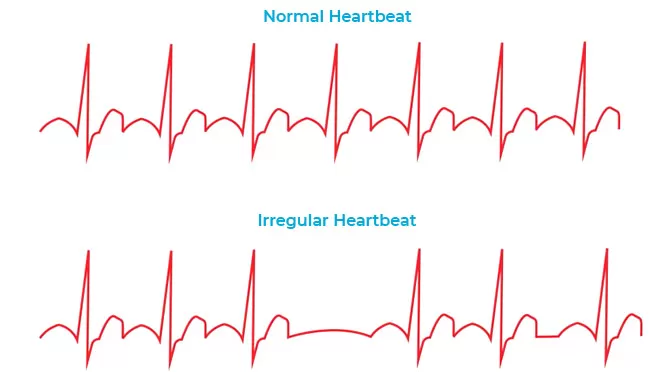
Heart Rythm Disorders

Know Your Procedures

Empowering you with clear, concise, and reliable information about medical procedures. Understand each step, purpose, and what to expect

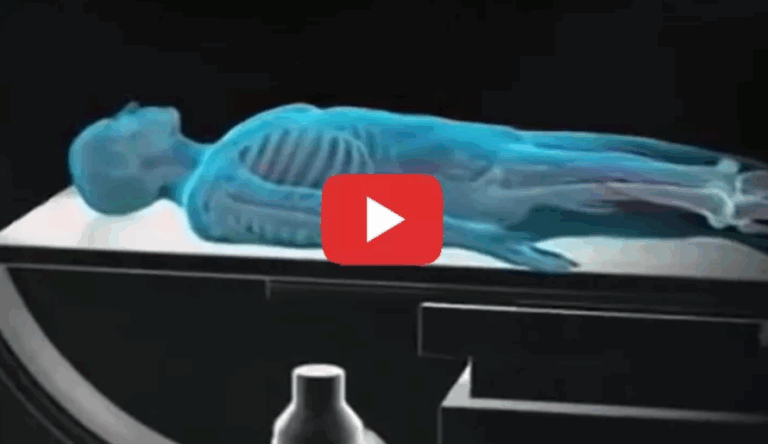
Coronary Angiography

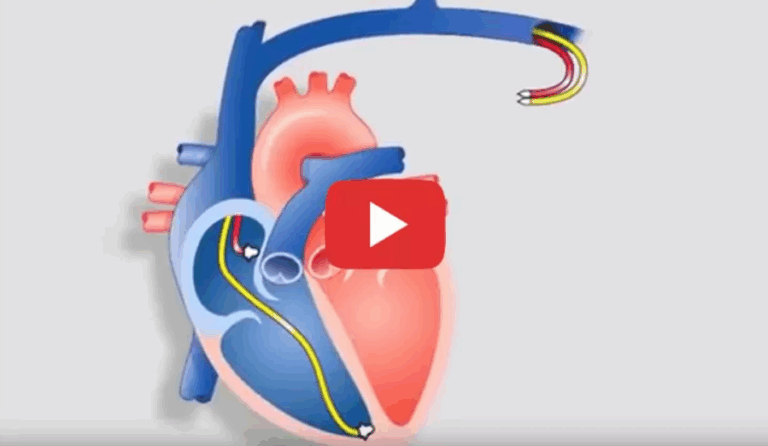
Pacemaker

PTCA

FAQs

Have questions about medical procedures? Find clear answers to common queries regarding preparation, recovery, risks, and more. Our FAQ section is designed to guide you through every step with confidence and clarity.

For the doctor, every patient brings a unique case and is treated different from the other. In some cases a doctor rules out angioplasty and recommends an open heart surgery while the opposite may happen other cases. A patient needs to ask his/her doctor the reason behind his decision to opt for one treatment over the other. A patient should keep in mind the following factors that contribute to the doctor’s final decision on the treatment

A) How bad is the heart problem, emergency nature of condition.

B) Are other diseases like diabetes making the patient’s case worse? The patient needs to make sure that his doctor knows the complete medical history.

During a Heart Bypass Surgery, the blockage is bypassed using an alternate channel of blood supply- a graft; while in an angioplasty, the clogged arteries are widened with the help of stents.
Each patient is different and the chosen course of treatment would depend on the following factors:

  • Extent of blockage
  • Type of Blockage
  • Diabetes
  • Size of blockage
  • Prevalence of other diseases like COPD, Stroke, functional status, mental state, compliance etc.
  • Age

While all stents essentially provide the same purpose to unblock a narrow artery, there is still a choice to make – drug-eluting stent or bare-metal stent. A patient should check with his doctor on the kind of stent available for his treatment. Different stent come with different medications.

For instance, with bare-metal stents, patients are usually required to take a combination of clot-preventing drug and asprin. This is taken for a period of 4 to 6 weeks after getting the stent. On the other hand, drug eluting stents are needed to be taken by the patient for at least 12 months. The upside of getting drug-eluting stent is the reduction in the risk of re-narrowing by up to 20% while in the case of bare-metal stents, the reduction of risk is only up to 8%. With newer generation stents, the stent thrombosis rate is <1% per year.


What Our Patients Say

We love that our patients feel inspired to write about the care they received. Here are some of the wonderful letters and comments we have recently received.

Meditation: The Art Of Looking Inwards

Today all of us live in a fast-paced world and no one has time for anything or anyone. Each and every one of us is busy chasing money and success in the process stress has made inroads into our lives in ways we had never imagined People have to deal with tight schedules, heavy workloads, and constant demands from both work and personal life is the main cause for stress these days. While some people manage to handle this stress well, others find it challenging.